Wheel Alignment Service in Vero Beach, FL
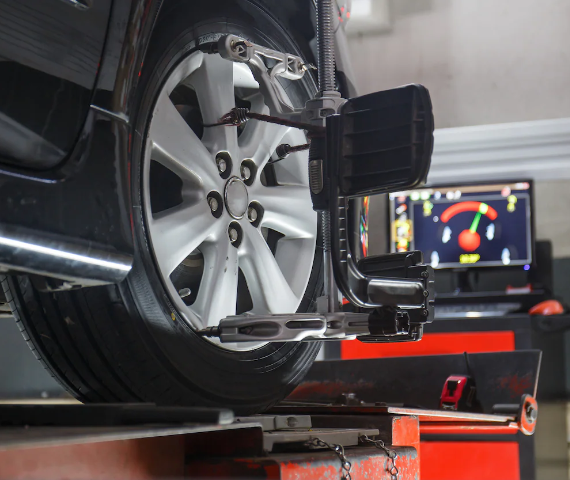
Proper wheel alignment is essential for ensuring optimal performance, safety, and longevity of your vehicle. A precise alignment helps improve fuel efficiency, extends tire life, enhances steering accuracy, and provides a smoother, more comfortable driving experience. At Vero Beach Mitsubishi, our certified technicians specialize in performing accurate wheel alignments for Mitsubishi vehicles as well as other popular models. Using state-of-the-art equipment, we carefully inspect your vehicle's suspension and steering components, making necessary adjustments to align your wheels with the manufacturer’s specifications. Additionally, proper alignment can reduce road noise, minimize vibrations, and improve overall ride quality, creating a safer and more enjoyable driving experience for you and your passengers.
In addition to wheel alignment services, Vero Beach Mitsubishi offers comprehensive automotive maintenance and repair solutions. From routine inspections to major repairs, you can rely on our team for professional care that keeps your vehicle operating safely and efficiently. Our alignment services also include a detailed assessment of tire wear patterns, which can reveal underlying issues with suspension components or uneven stress on the vehicle. Trust the Mitsubishi service center at Vero Beach Mitsubishi to deliver expert service that enhances your driving experience, reduces unnecessary wear, and preserves the longevity of your car.
What Is a Wheel Alignment?
Wheel alignment, also called tire alignment, involves measuring and adjusting the angles of your vehicle’s wheels to ensure they are perpendicular to the ground and parallel to each other. Misaligned wheels can cause uneven tire wear, poor handling, reduced fuel efficiency, and decreased safety. Our technicians use precision tools to check and adjust toe, camber, and caster angles, ensuring your wheels meet the manufacturer’s specifications. Accurate alignment also reduces strain on suspension components and minimizes uneven stress on tires, preventing premature replacements and costly repairs.
Together with tire rotations, proper wheel alignment is crucial for smooth and safe operation. Regular alignment helps your tires wear evenly, improves steering response, and prevents long-term damage to suspension components. Scheduling service at recommended intervals helps you avoid costly repairs, maintain optimal fuel efficiency, and enjoy a smoother driving experience. Schedule your service appointment online or call our team today to ensure your vehicle maintains optimal performance and safety.
How Often to Get a Tire Alignment
We recommend checking your vehicle’s alignment every 6,000 to 8,000 miles, or sooner if you notice signs of misalignment. Common indicators include:
- Vehicle pulls to one side while driving
- Loose, crooked, or off-center steering wheel
- Shaking or vibrating steering wheel
- Squealing tires during turns
- Uneven or rapid tire wear
If you observe any of these warning signs, scheduling a wheel alignment promptly is critical to prevent uneven tire wear and reduce strain on your suspension system. Regular alignment maintenance promotes safety, improves fuel economy, enhances vehicle handling, and prolongs the lifespan of your tires and other vehicle components.
Benefits of regular wheel alignment at Vero Beach Mitsubishi include:
- Smoother, more controlled driving experience
- Extended tire lifespan and better tread performance
- Enhanced fuel efficiency and reduced rolling resistance
- Improved vehicle handling and safety
- Cost savings by avoiding premature tire and suspension wear
- Reduced noise and vibrations for a more comfortable ride
Trust Vero Beach Mitsubishi for professional wheel alignment services designed to meet the specific needs of your Mitsubishi vehicle. Schedule your appointment today and experience the advantages of precise alignment for a safer, smoother, and more efficient ride. Our team also offers expert advice on maintenance intervals and tire care to help you get the most from your investment.
Frequently Asked Questions
Q: How long does a wheel alignment service take?
Alignment services usually take 30 to 60 minutes, depending on how misaligned the wheels are and whether additional suspension adjustments are needed.
Q: Can I drive my car if it needs a wheel alignment?
Minor misalignment may not immediately stop you from driving, but it is not recommended. Misaligned wheels can cause uneven tire wear, reduce handling, and compromise vehicle safety over time.
Q: How much does a wheel alignment service cost?
Wheel alignment costs vary depending on your vehicle and the extent of alignment needed. Contact Vero Beach Mitsubishi in Vero Beach, FL for current pricing and service specials.
Q: How often should I get a wheel alignment?
Check your vehicle’s alignment every 6,000 to 8,000 miles, or sooner if you notice uneven tire wear, pulling to one side, or steering issues.
Q: What are the signs my wheels need alignment?
Common indicators include a vehicle pulling to one side, off-center or loose steering wheel, shaking or vibrations, squealing tires in turns, or uneven tire wear.
Q: Does wheel alignment affect tire life?
Yes. Proper alignment ensures even tire wear, which prolongs tire life and reduces the risk of premature replacements.
Q: Can wheel alignment improve fuel efficiency?
Properly aligned wheels reduce rolling resistance, which can improve fuel economy and provide smoother, more controlled handling.
Q: Do you inspect suspension during alignment?
Yes. Technicians check suspension and steering components to identify issues that could affect alignment, ride quality, and tire performance.
Q: Is wheel alignment different for each vehicle?
Yes. Alignment specifications vary by vehicle make, model, and year. Technicians follow manufacturer guidelines to ensure precise alignment for your car.
Q: Can misalignment cause long-term damage?
Yes. Driving with misaligned wheels can lead to uneven tire wear, strain on suspension components, poor handling, and decreased safety over time.